Web Article
Useful AI Agent Case Studies: What Actually Works in Production
Neo4j
April 18, 2026View Original
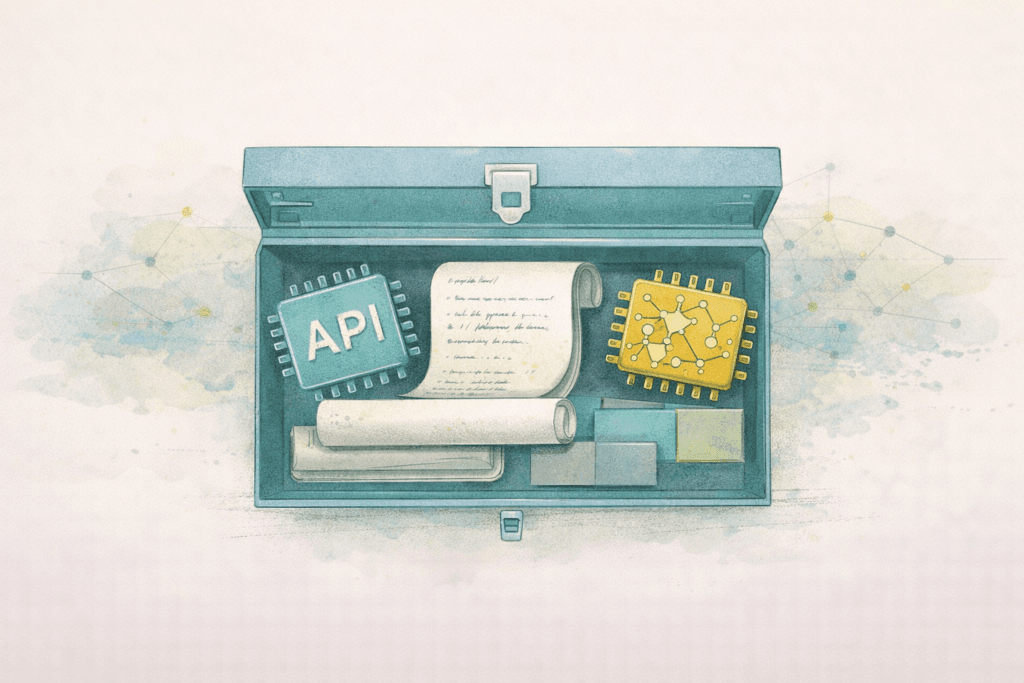
The article delves into useful AI agent case studies, distinguishing AI agents from traditional generative AI by their ability to pursue goals, plan steps, retrieve information, use tools, and adapt over time. It notes that many AI agents fail in production due to issues like missing context, losing track of state, misusing tools, or getting stuck in unproductive loops. The core problem identified is often the lack of access to the right context at the right time for the agent, rather than the underlying model itself.
The author emphasizes that knowledge graphs and GraphRAG (Graph-based Retrieval Augmented Generation) are crucial for providing the structured context necessary for successful agentic systems. By modeling domain context as a knowledge graph, agents can traverse its structure, reason across connected concepts, dependencies, and constraints, leading to more grounded and reliable decisions.
The article presents several real-world case studies, including a Metadata to Knowledge Conversion Agent, an AI Voice Agent for Real-Time Conversations, an Air Traffic Control Training Agent, a Digital Twin Agentic Platform, and a Conversational Career Recommendation Agent. These examples illustrate how teams have applied principles like context engineering and constrained tool design to move from promising prototypes to production-ready AI agents.
Ultimately, the piece advocates for defining clear guardrails, comparing agent-driven workflows against baseline systems, and continuously iterating on context quality and system behavior. Neo4j is positioned as a key technology for providing production-grade knowledge graphs, supporting graph-based reasoning, memory, and tool use essential for scalable and reliable agentic AI systems.
Summarized using AI, subject to mistakes
Loading...